How to Choose a Niagara Falls Day Tour That Fits Your Plans
Choosing a niagara falls day tour is less about finding the biggest itinerary and more about matching the day to your time, interests, and comfort. Falls visits can feel very different depending on whether you spend most of the day at the table rock area, add a boat ride, move along the niagara parkway, or include quieter stops away from the busiest viewpoints. Start with the practical limits of your trip, then work outward to the sights and experiences that matter most.
Set the boundaries before you compare options
Begin with the facts that cannot move. Note the date you are available, where you are staying, how much of the day you want to be out, and whether you need a return point that suits your onward plans. A short visit with an evening train to catch needs a very different shape from a full day with no fixed end time.
Think about who is travelling too. Children, older adults, anyone with limited mobility, or a group with mixed interests may prefer fewer stops and more time in each place. A packed route can look impressive on paper but feel rushed when every transfer takes time. If the group wants both big views and a calm lunch, leave space for both rather than filling every hour.
Weather also deserves a place in the early planning. The falls are dramatic in most conditions, but spray, wind, ice, or heavy rain can change how comfortable certain viewpoints feel. If your date is flexible, check the season and think about what you want to see. A winter visit has a different character from a summer afternoon, and an evening plan may not suit everyone in the group.
Decide what kind of day you actually want
Once the limits are clear, choose a main theme. Some visitors want the classic close-up views around Horseshoe Falls and the popular attractions nearby. Others care more about scenery, photography, or a slower pace along the river. The right niagara falls day tour should feel coherent, not like a list of famous names stitched together.
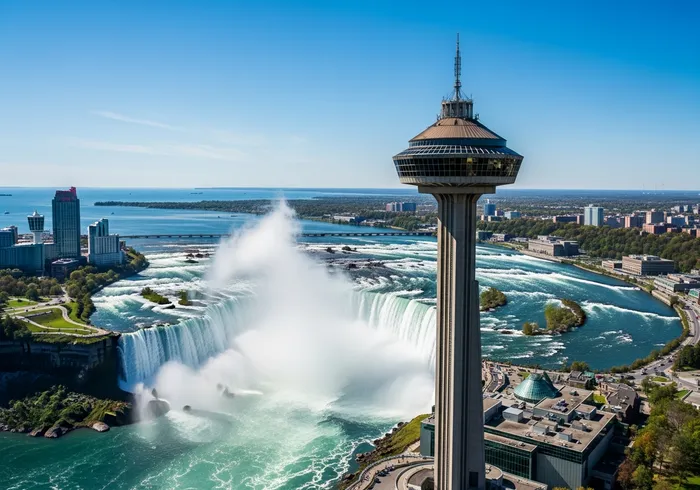
If the first visit is the goal, focus on the core viewing areas and one or two signature experiences. Maid of the Mist is often high on the list when it is operating, while Journey Behind the Falls gives a different angle on the power of the water. Both can involve queues, wet clothing, stairs, or waiting in exposed areas, so they are best chosen with the group's comfort in mind.
For a more scenic day, give the niagara parkway room in the plan. It suits travellers who like changing viewpoints, short stops, and a route that feels less enclosed. Whirlpool Aero Car can add a distinctive stop if the idea of riding above the gorge appeals. The niagara glen nature reserve offers a greener, quieter mood for people who want a break from the busy viewpoints, though it asks for more walking and suitable footwear.
If height and panorama matter, the Skylon Tower observation deck can be considered as an added viewpoint rather than the whole purpose of the outing. It works best when the rest of the day is simple and there is time to wait for clear conditions. A plan built around too many elevated or indoor stops can lose the sense of being near the falls itself.
Compare the route in detail, not just the headline
Read the route as a sequence of real movements. Where does the day begin? How long is each stop? Are meals included in the timing, or is there a free window to eat? A plan that lists several attractions may still be workable if the stops are close together, but it can become tight when it crosses borders, uses several transfers, or leaves little slack for queues.
Watch for vague wording. Phrases such as scenic drive, photo stop, or free time can mean very different things. A photo stop might be a brief pause at a safe viewpoint or a short walk from a busy parking area. Free time might be enough for a snack and a view, or barely enough to find a restroom. Look for clear start points, clear meeting points, and a sensible order that does not send the group back and forth across the same district.
Check whether the plan gives you a choice at busy moments. Some people want the spray and noise of the closest viewpoints, while others prefer a wider view from a distance. A good fit leaves room for that choice without making the rest of the day depend on everyone doing the same thing. This matters especially when the group includes people who want photos from several angles.
The table rock welcome centre can be a useful reference point when reading an itinerary because many well known viewing areas sit near it. If most of the plan clusters there, ask whether the day still offers variety. If the route starts elsewhere and returns late, check that the timing leaves enough time at the main falls rather than spending the day in transit.

Check what is included and what is left open
Now move from the route to the practical details. Look at what the day includes, what requires a separate decision, and what you are expected to arrange yourself. This is not a reason to chase the longest list of inclusions. It is a way to avoid surprises such as arriving somewhere with no time, no clear meeting point, or no plan for lunch.
Ask whether admission tickets, transport between stops, meals, and any optional attractions are handled within the plan. If something is optional, think about what the rest of the group will do during that time. A boat ride may be exciting for some and unwelcome for others, especially in cooler weather. The same applies to a tower visit, a gorge attraction, or a longer nature stop.
A useful comparison method is to write down three columns: what is fixed, what is optional, and what is unscheduled. Fixed items should match your priorities. Optional items should fit your energy and budget without crowding the day. Unscheduled time should be long enough to be useful but not so long that the day loses shape.
When you want a quick reference point for company information, keep the brand name separate from the route decision. The Niagara Falls Tour official site may be one place to check details, but the choice still depends on whether the day matches your own timing and interests. Compare what is written there with the practical questions you have already listed.
Match the pace to the people, then make the final call
Before committing, read the day as if you were living it hour by hour. Picture the first meeting, the first major view, the busiest period, the lunch break, and the final return. Does the plan build naturally, or does it jump between unrelated stops? Does it allow a slow look at the falls, or does it hurry everyone toward the next item? A memorable day often has a few well chosen moments rather than a crowded timetable.
Pay attention to physical demands. Many falls areas involve paved paths, stairs, slopes, wet surfaces, or waiting outdoors. Comfortable shoes and layered clothing are sensible choices in most seasons. Anyone who needs to avoid steep steps or long walks should check each stop carefully, including viewpoints that look close together on a map. If accessibility information is unclear, ask before booking rather than hoping the situation will work on the day.
Also think about the tone of the outing. A commentary-rich route may suit first-time visitors who want context, while a lighter plan may suit people who prefer to wander and take photographs. A family group may value clear timing and simple stops. A couple may prefer a quieter route with longer pauses. There is no single best shape for every visitor, and the most polished itinerary is not always the most enjoyable one.

Use a short final comparison to make the decision easier:
- Does the route spend enough time at the main falls?
- Are the included stops ones the whole group genuinely wants?
- Is the timing realistic for transfers, queues, meals, and rest?
- Are mobility, weather, and clothing needs handled plainly?
- Does the day end at a point that fits the rest of your travel?
If two options still feel close, choose the one with the calmer structure and the clearer plan. A niagara falls day tour works best when the famous sights are given enough time and the less important stops do not take over. Check the route once more, confirm the meeting details, and keep a little flexibility in your own schedule. That margin can make the difference between a rushed sightseeing day and one that feels smooth from the first view to the last.
For a final source check, return to the Niagara Falls Tour official site only for the details you still need to confirm. Then compare those details against the priorities you set at the start. When the timing, stops, and pace line up with the way you want to experience the falls, the decision is much easier to trust.